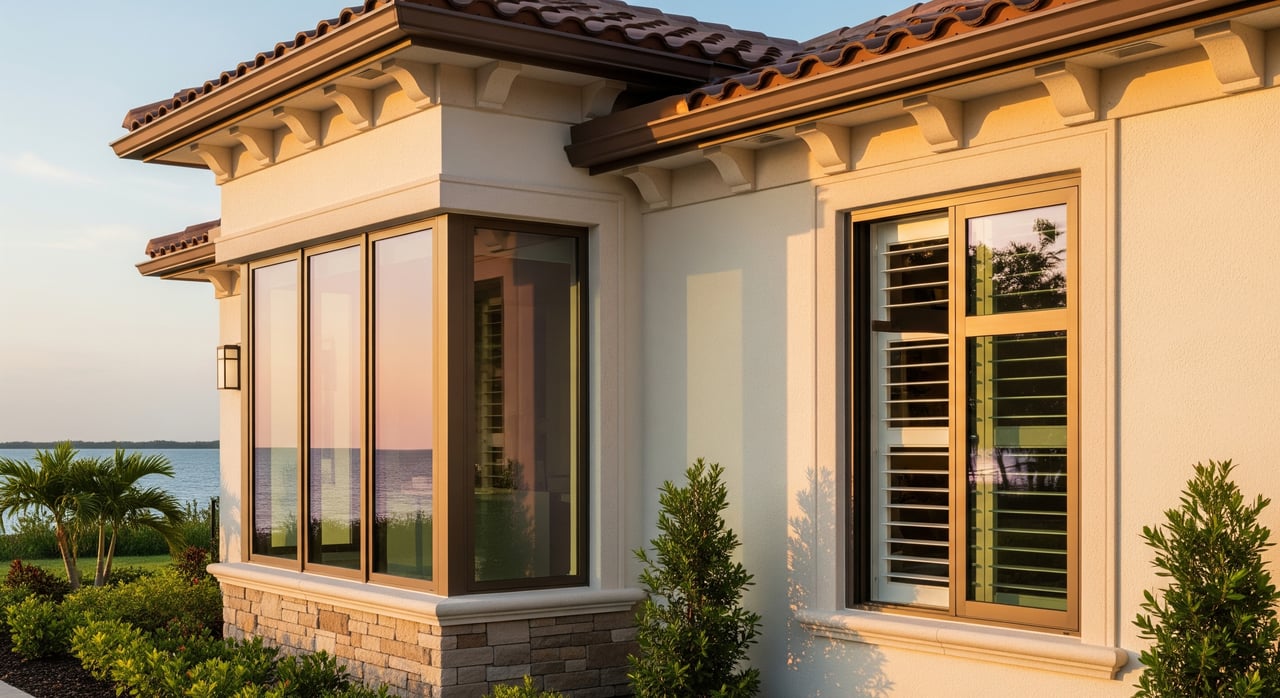
Hurricanes do not wait for your schedule. If you own a home or investment property in Englewood, you know the stress that comes every summer. You want to protect your windows, keep insurance in check, and make smart upgrades that help resale value. This guide compares impact windows and storm shutters in plain language so you can decide what fits your property, budget, and timeline. Let’s dive in.
Hurricane risk in Englewood
Englewood sits on Florida’s Gulf Coast and faces tropical storms and hurricanes each year. The Atlantic hurricane season runs from June 1 to November 30, so it pays to plan before the season starts. Climate trends point to heavier storms over time, which increases the long‑term value of good mitigation. Preparing now can reduce risk, lower stress, and improve your home’s market appeal.
Impact windows: what to expect
How they protect
Impact windows use laminated glass and reinforced frames designed to handle debris strikes and high wind pressure. When properly installed and approved, they provide continuous, full‑time protection. You do not need to deploy anything when a storm approaches, which is a major benefit if you travel or own a rental.
Everyday benefits
Impact windows preserve light, views, and ventilation if the units are operable. They can reduce air and water infiltration when flashed and sealed correctly. Many owners also appreciate quieter interiors and unchanged curb appeal since there are no external devices to open or close.
Costs and upkeep
Impact windows usually have a higher upfront cost per opening than most shutters. Whole‑house replacements are a significant project, and final price depends on window sizes, frames, labor, and permits. Maintenance is simple, mainly cleaning, seal checks, and hardware lubrication in a coastal environment.
Storm shutters: what to expect
Types and protection
Shutters come in several styles. Permanent systems include accordion, rolling or roll‑down, Bahama, and colonial shutters. Removable panels use aluminum, steel, or plywood. Properly approved and installed shutters can meet code requirements for windborne debris protection.
Speed and deployment
Permanent roll‑down or accordion shutters can be closed fast, even by one person. Removable panels are the lowest cost option but require storage and hands‑on installation before each storm. If you will not be in town or cannot rely on someone to deploy panels, choose a permanent solution or impact windows.
Costs and maintenance
Removable panels are usually the least expensive per opening. Accordion and roll‑down systems cost more, with motorized roll‑down often at the top of the shutter price range. Maintenance varies by type, from simple inspections of fasteners to motor service and corrosion protection for mechanical systems.
Water intrusion and the building envelope
A well‑installed impact window assembly can reduce air and water infiltration compared with non‑impact units. Some shutter styles shield the glass but do not fully seal edges, which can allow wind‑driven rain under certain conditions. Pair the right shutter with proper sealing and consider how your specific openings face wind and rain.
Local codes, approvals, and permits
Florida’s coastal regions, including Sarasota County, enforce wind and debris protection for glazed openings. Two forms of documentation are common for products used in high wind zones: Florida Product Approval and Miami‑Dade County Notice of Acceptance. Sarasota County typically requires permits and inspections for impact window replacements and permanent shutter installations. If you live in a condo or a deed‑restricted community, check association rules on exterior appearance, color, and allowable systems before you buy.
Insurance, incentives, and resale
Insurers in Florida often offer premium credits for approved mitigation such as impact‑rated windows or permanent shutters. Credit amounts vary by insurer and policy. You will need product approvals, installation documentation, permit records, and photos to qualify, so confirm expected savings with your insurer before you invest.
For resale, buyers respond to upgrades that reduce storm prep and maintenance. Impact windows often read as a premium, low‑touch feature that preserves curb appeal and interior light. Permanent, well‑integrated shutters are also marketable, while removable panels are a practical budget choice. Keep permits, approvals, and warranties on file so buyers and appraisers can verify the upgrade.
Which option fits your Englewood home
Occupancy and availability
- If you are often away, or your property is a vacation rental, choose solutions that do not rely on last‑minute deployment, such as impact windows or motorized roll‑downs.
- If you live locally and can deploy protection, removable panels or manual accordions can work.
Budget and financing
- With a limited budget, protect the most vulnerable openings first, like large sliders and picture windows. Removable panels can stretch dollars.
- With more budget, whole‑house impact glazing maximizes convenience and long‑term value.
Property type and rules
- Single‑family coastal homes benefit from impact windows or permanent shutters for durability and potential insurance credits.
- Condos and townhomes often have strict design and product rules. Shutters may be easier to approve in some buildings, but always check the governing documents first.
- Historic or style‑sensitive homes may favor Bahama or colonial shutters for a consistent look.
Aesthetics and views
- If unobstructed views and natural light are top priorities, choose impact glazing.
- If you like the architectural look of shutters, permanent Bahama or colonial designs can add character while providing protection.
A smart combination approach
Many owners mix solutions to balance cost and convenience. Consider impact windows for main living areas and large door systems, then use shutters for secondary bedrooms or less exposed openings. This strategy controls spending while reducing storm prep.
Action plan before hurricane season
- Get 2 to 3 written, itemized bids from licensed local contractors, including permit and inspection costs.
- Verify product approvals and request copies of Florida Product Approval or Miami‑Dade NOA documents.
- Ask your insurer what documentation is needed and what mitigation credits could apply.
- Review HOA or condo rules for visible exterior changes before you commit.
- Decide if a phased plan makes sense, starting with the largest or most exposed openings.
- Keep a tidy file with permits, invoices, product approvals, and warranties to support insurance credits and resale.
The bottom line for Englewood owners
Both impact windows and storm shutters can meet code and protect your home when properly approved and installed. Your best choice depends on how you use the property, your budget, and how much you value convenience and curb appeal. Impact windows are the most hands‑off option with strong resale appeal. Shutters can be a cost‑effective solution, especially permanent systems that close quickly.
If you want advice that considers resale goals, rental operations, and neighborhood rules, our local team can help you weigh the tradeoffs for your specific address. Ready to talk through options and timing before the next season starts? Connect with The Pergerson Group at The Pergerson Group.
FAQs
Do Englewood homes need window protection during hurricane season?
- Yes. Sarasota County is in a windborne debris region, and glazed openings need approved protection to reduce risk.
What approvals should I ask for when buying impact windows or shutters?
- Request Florida Product Approval or Miami‑Dade Notice of Acceptance, plus permits, final inspection records, and installer license details.
Will impact windows or shutters lower my insurance premium?
- Many insurers offer credits for approved mitigation, but amounts vary. Confirm expected savings with your insurer in writing before you invest.
Are motorized roll‑down shutters reliable for second homes?
- Yes, they are quick and easy to close, which helps when you or your manager need fast deployment. Plan for motor and control maintenance over time.
Do I need shutters if I already have impact windows?
- Not for debris protection. Some owners add shutters for extra privacy, shading, or rain protection, but properly rated impact windows meet debris requirements.
What is the most budget‑friendly way to start?
- Begin with the largest or most exposed openings, such as sliders and picture windows. Use removable panels or a mix of impact glazing and shutters to control costs.