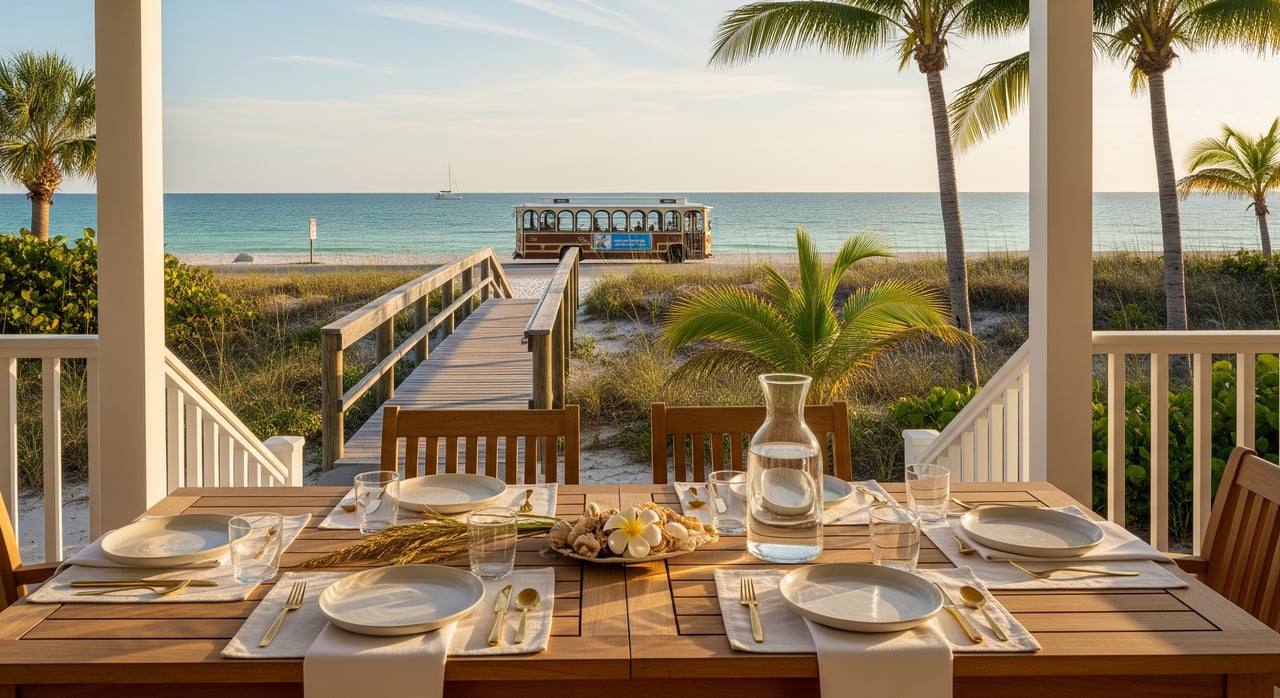
Dreaming of a place where your day starts with a quiet beach walk and ends with a sunset dinner steps from the sand? If Anna Maria Island is on your radar for a second home or seasonal escape, you’re in good company. The island offers easygoing Gulf living, with practical nuances that matter when you own here. In this guide, you’ll learn how beaches and access points work, how to get around without parking headaches, where to eat, and the everyday logistics that make life simple. Let’s dive in.
Quick island snapshot
Three cities, one island
Anna Maria Island sits on Florida’s Gulf Coast and includes three municipalities: City of Anna Maria at the north end, Holmes Beach in the center, and Bradenton Beach to the south. Each city manages its own ordinances and permitting. That means rules for short‑term rentals, golf carts, parking, and building can change as you cross city lines. When you compare homes, note the municipality and its code requirements.
Seasons shape daily life
The island’s year‑round population is modest, but it grows in late fall through spring. Peak season brings more traffic, fuller restaurant waitlists, and higher demand for parking and rentals. Plan errands and dining with this rhythm in mind. You’ll enjoy quieter streets and easier parking in off‑peak hours or shoulder months.
Beaches and access
Beach character by area
Gulf‑facing beaches here are known for white sand and generally gentle water. Beach width can shift with seasons and storms, and you’ll see dune areas that protect habitat. The vibe changes quickly from lively public parks to quiet residential stretches. If you want a particular beach feel, walk a few blocks in each direction to compare.
Public access and parking tips
Public access comes in many forms, including small walkovers at street ends, modest municipal parks, and larger parks with restrooms and showers in select spots. Parking is limited and fills quickly in high season. Expect on‑street rules and residential restrictions in some neighborhoods. Some areas use paid or timed parking near business districts or major parks. Read signs closely and avoid relying on private lots for nearby shops or restaurants.
Sea turtle season and beach rules
From May 1 through October 31, sea turtle nesting protections are in effect on Gulf beaches. Typical rules include keeping lights low and shielded near the sand, removing unattended chairs and umbrellas at night, and following leash and pet restrictions where posted. Driving on beaches is not allowed, and open fires are typically regulated. Rules and fines can differ by city, so check for posted notices as you enter the beach.
Accessibility and amenities
Some access points offer ramps or beach mats for wheeled mobility, while others use stairs or simple boardwalks. Restrooms and showers are available at select parks, but quiet residential accesses may not have facilities. If accessibility is a priority, identify the closest improved access to your home before you buy.
Getting around without stress
Driving and bridges
The island connects to the mainland by multiple bridges. You’ll travel off‑island for full hospitals, big‑box stores, and many services. During peak season or holiday weekends, bridge approaches can back up. Build in extra time for medical appointments, airport runs, and dinner reservations on the mainland.
Anna Maria Island Trolley
The island trolley runs the length of Anna Maria Island with stops near major corridors and beach areas. Service levels, schedules, and frequency can shift seasonally, and fare policies vary by operator. The trolley is a popular way to skip parking hunts, especially in busy dining or pier areas. Check current hours, weekend frequency, and any accessibility features before planning late‑evening trips.
Bikes, golf carts, and walking
The island is compact and friendly for walking and biking over short distances. Many residents and visitors use bikes for beach runs, cafés, and errands. Golf cart rules are city‑specific and can include registration and safety requirements or restrictions by road type. Review the municipal code where you plan to live before assuming daily golf cart use will work for you.
Rideshare and taxis
Rideshare and taxis operate on the island, but wait times can grow during peak season. If you have a time‑sensitive plan, book ahead or build in a buffer. For late‑night travel, confirm availability early.
Where to eat and unwind
Pine Avenue highlights
Pine Avenue in the City of Anna Maria offers a cluster of shops, cafés, and casual eateries near the north end. It’s an easy place to stroll for breakfast, ice cream, or a quick lunch. Expect small footprints and limited parking. In season, arrive early or consider the trolley to avoid circling.
Gulf Drive corridor
Gulf Drive runs through Holmes Beach and parts of Bradenton Beach, with a mix of beachfront spots, casual seafood, and tourist‑friendly options. You’ll find takeout, snacks for sunset, and sit‑down meals. Dining rooms are often cozy, so a reservation or a flexible schedule helps in peak months.
Bridge Street energy
Bridge Street in Bradenton Beach serves as a lively southern hub. Restaurants, bars, and shops cluster here, and it is popular around sunset. Parking can be tight during weekends and events. If you prefer to avoid driving, plan a trolley ride and a relaxed walk.
Practical dining tips
The local food scene favors fresh seafood along with Gulf‑coast staples. Upscale choices exist, but the island leans casual. Hours often change between season and summer, and some venues close or reduce days in slower months. For prime weekend slots, reserve ahead and add time for parking or transit.
Everyday conveniences
Groceries and supplies
On‑island grocery and retail options are smaller than mainland choices. Expect specialty markets, fish markets, and convenience stores for quick trips. For bulk items or specific brands, most residents drive to the mainland periodically. Plan pantry runs midweek or early morning to avoid peak bridge times.
Healthcare and emergency services
Basic urgent care or walk‑in clinics may be available, but full hospital services are off‑island. In peak season, traffic can influence EMS and drive times. Map the nearest hospital and urgent cares from any home you consider. Keep a personal emergency plan during hurricane season.
Utilities and internet
Utility providers vary by location, and some older homes may still use septic systems. Internet speeds and provider options can differ property by property. If remote work is important, confirm service levels and reliability before closing. Backup power planning is also smart for storm season.
Insurance, flood risk, and building codes
Anna Maria Island is a low‑lying barrier island with exposure to tropical weather. Review FEMA flood zones, elevation certificates, and wind coverage needs early in due diligence. Building codes, elevation requirements, and hurricane‑hardening standards will affect renovation costs and timelines. Factor insurance premiums into your ownership budget.
Short‑term rentals and taxes
Short‑term rental rules, licenses, and occupancy limits vary by city. Some areas require registrations, safety features, inspections, or specific parking plans. County and state taxes apply to transient rentals and must be remitted properly. If rental income matters to you, align your search with the municipality that fits your plan.
Waste, recycling, and street rules
Garbage and recycling schedules are set by each city or the county. There can be rules on container types and pickup times. If you plan to be seasonal, consider how you will manage bins and bulky pickup when you are away.
Smart buyer checklist for Anna Maria Island
- Confirm the municipality for each property and review its codes for rentals, parking, noise, and golf carts.
- Walk to the nearest beach access and note parking rules, accessibility features, and restroom availability.
- Visit during both high season and off‑season to understand traffic, parking, and dining demand.
- Test internet speed at the property and contact providers about available service tiers.
- Review FEMA flood maps, elevation certificates, insurance quotes, and storm‑hardening features.
- Map routes to the mainland for hospitals, airports, and large grocery stores; time the drive during peak hours.
- If you plan to rent, outline your operating plan and confirm licensing, taxes, and city occupancy rules.
Ready to explore your options?
If Anna Maria Island feels like your kind of Gulf‑coast lifestyle, you deserve a partner who understands both the neighborhood nuances and the realities of owning near the water. Our team helps you compare municipalities, evaluate flood and insurance factors, and balance personal use with rental income goals. With integrated brokerage and property management, we make ownership smooth from closing through day‑to‑day operations.
Have questions about a specific property, rental strategy, or neighborhood fit? Connect with The Pergerson Group to tour homes, map out your plan, and move forward with confidence.
FAQs
How walkable is Anna Maria Island for daily needs?
- You can walk comfortably in areas like Pine Avenue, sections of Gulf Drive, and Bridge Street, but most residents drive to the mainland for full hospitals, large grocery stores, and major retail.
What should I know about the island trolley before I rely on it?
- The trolley runs the length of the island with stops near major corridors, but schedules, frequency, fares, and accessibility features can change seasonally, so check current details before you go.
Is parking difficult near beaches and dining areas in peak season?
- Yes, especially on weekends and holidays. Expect on‑street restrictions, timed or paid areas near busy parks, and limited private lots. Arrive early or use the trolley when possible.
Are short‑term rentals allowed across the island?
- Rules differ by municipality. Confirm licensing, registration, occupancy limits, parking requirements, and taxes with the specific city before assuming a property can operate as a vacation rental.
What are the key seasonal considerations for owners?
- Peak visitor season runs late fall through spring, hurricane season is June 1 to November 30, and sea turtle nesting protections typically apply May 1 to October 31. Each affects daily routines, planning, and compliance.
How far is it from island neighborhoods to hospitals and big‑box stores?
- Expect a short drive over a bridge to the mainland. Actual times vary by neighborhood and traffic. Test your route at peak hours to set realistic expectations.
Will I have reliable utilities and internet for remote work?
- Service is generally available, but provider options and speeds vary. Confirm availability at the specific address, and consider backup power plans for storm‑related outages.